

For most of my life, talking about “the PC” basically meant talking about Windows. Sure, Macs existed. Linux existed. Weirdos like us knew you could build Hackintoshes, boot obscure Linux distros, and spend an entire Saturday compiling something because it’s fun and interesting, dammit!
But Windows was the sun that the rest of the PC universe orbited around. New hardware existed to run Windows. New software targeted Windows. Gaming meant Windows. The PC industry moved where Microsoft moved.
I don’t think that’s true anymore.
Windows is still gigantic. It isn’t dying or going anywhere. But look at the most interesting things happening to consumer PCs this decade and it’s obvious: Windows isn’t driving them. Sometimes, Windows is the problem they’re trying to solve.

Willis Lai/IDG
The Steam Deck is the single most important PC hardware release of the 2020s. Not the fastest GPU. Not some $4,000 halo laptop. The Steam Deck.
Valve took the enormous existing PC gaming ecosystem, stuffed it into an affordable handheld, and created an entirely new category of computer—and handheld gaming PCs are everywhere now. They’ve changed where PC games can be played, what PC hardware can look like, and even what sort of performance actually matters. And the thing runs Linux!
“Microsoft had seriously forgotten about Windows for quite some time.”
Anshel Sag, principal analyst at Moor Insights & Strategy
The Steam Deck running Linux was not an accident. I wrote years ago about why you can blame Windows for the Steam Deck running Linux. Valve spent more than a decade building an escape hatch after Microsoft’s Windows 8-era attempts to exert more control over software distribution scared the hell out of Gabe Newell.
Steam Machines flopped, but Valve kept digging. The big breakthrough was Proton, which lets Windows games run on Linux. Valve didn’t need to convince every PC developer on earth to embrace Linux. It spent years making their Windows games work there instead.
Now the most influential PC gaming device in years doesn’t even need Windows at all anymore.
Local AI is giving another generation of enthusiasts practical reasons to care about Linux over Windows.
A lot of serious AI tooling lives most naturally there. Windows Subsystem for Linux helps bridge the gap, of course, but there’s some irony in needing Linux inside Windows to get work done. Interest has grown enough that last year we launched Dual Boot Diaries on PCWorld’s Full Nerd network, following longtime Windows users trying to live with Linux.
That would have sounded incredibly niche a few years ago, but not anymore—especially after spending the last few weeks testing Nvidia’s new RTX Spark laptops.
Brad Chacos/Foundry
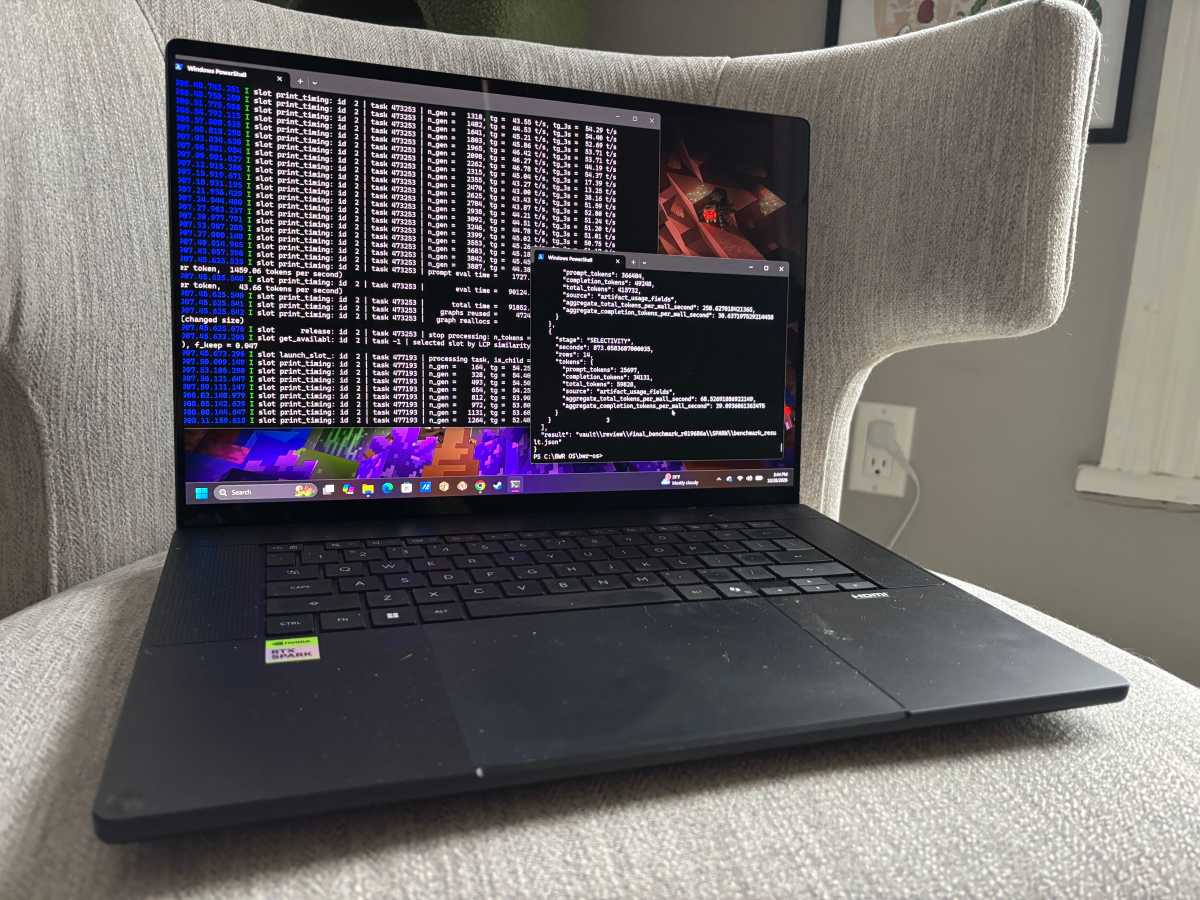
I’ve been beating the heck out of Asus’ $7,000 ProArt P16 RTX Spark, throwing enormous local AI workloads at its ridiculous 128GB pool of unified memory. In one particularly nasty test, it beat my RTX 5090 desktop because that huge memory pool could swallow an AI workload my desktop GPU simply couldn’t.
This is fascinating hardware: Grace CPU, Blackwell GPU, and up to 128GB of unified memory stuffed into a thin Windows laptop. So imagine my surprise when I opened Windows and my 128GB laptop only showed 64GB of normal system memory.
RTX Spark splits its unified memory between the CPU and GPU by default, and you can reconfigure that balance. But it was a hell of a first impression. Here’s this radically different PC architecture, built around a massive pool of shared memory, and Windows is still looking at it like a traditional PC with a discrete GPU.
AI nerds keep asking when these things can run Linux natively. Nvidia built one of the most interesting new Windows PC architectures in years and some of its target audience immediately started looking for the exit. Oof.
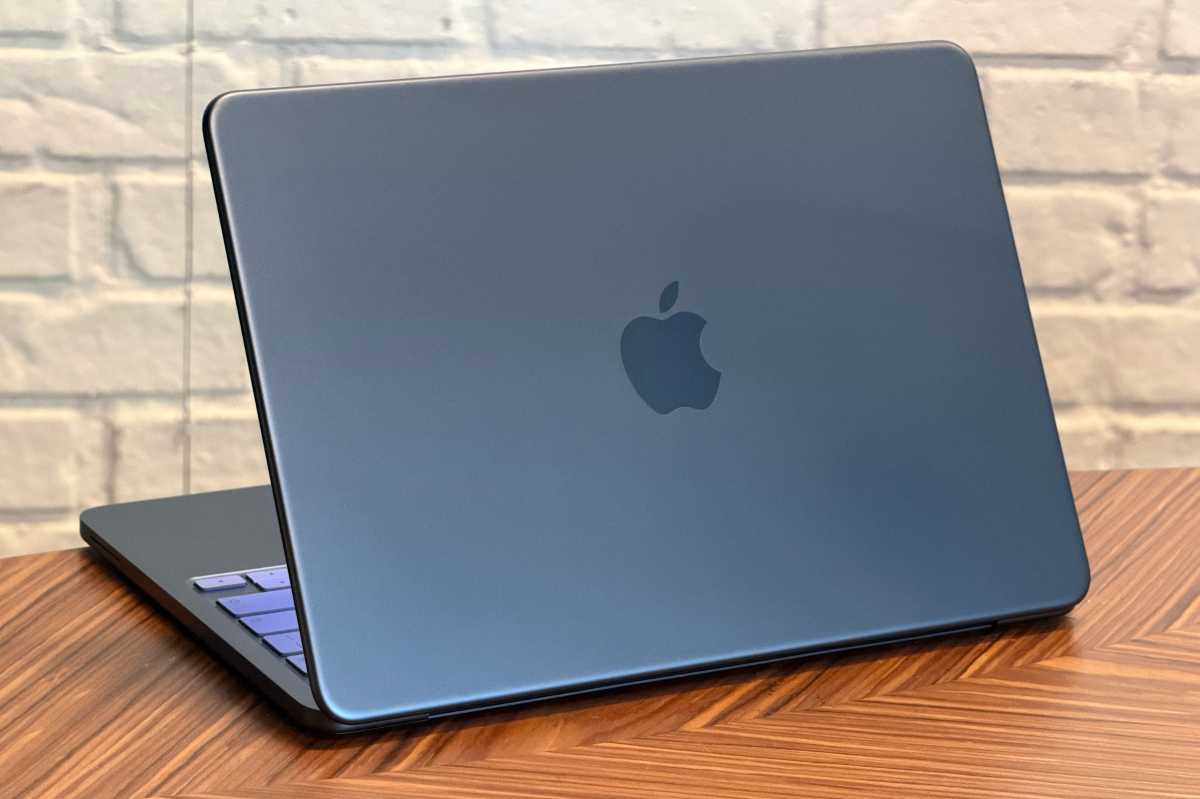
Here’s the uncomfortable part for a guy who covers PCs for a living: The most exciting mainstream laptop of 2026 is Apple’s MacBook Neo.
The $599 (now $699) MacBook Neo works because Apple compromised in the right places. You still get an aluminum MacBook, a good display, excellent single-core performance, and Apple’s tight hardware-software integration, but now it’s in a package that normal people can actually afford. I use it every day.
Yes, it only has 8GB of memory. That sounds horrifying in 2026—and on a Windows laptop, frankly, it often is. But macOS handles constrained memory remarkably well. Our Macworld colleagues hammered the Neo with 59 browser tabs and even 4K video editing, and the thing leaned heavily on swap and just kept trucking.
Foundry
PC makers can build killer hardware too. Dell basically copied the formula with its $699 XPS 13: premium construction, great screen, long battery life, affordable price. But then you put Windows on 8GB of RAM and, well, it’s nowhere near the same experience as on the MacBook Neo.
That’s where Apple’s biggest advantage comes into focus. It controls the silicon, memory architecture, hardware, and operating system underneath the Neo. Dell, HP, Lenovo, and Asus have to piece together parts from several companies and put Windows on top.
The PC’s flexibility has always been one of its greatest strengths. But right now, it feels like a handicap.
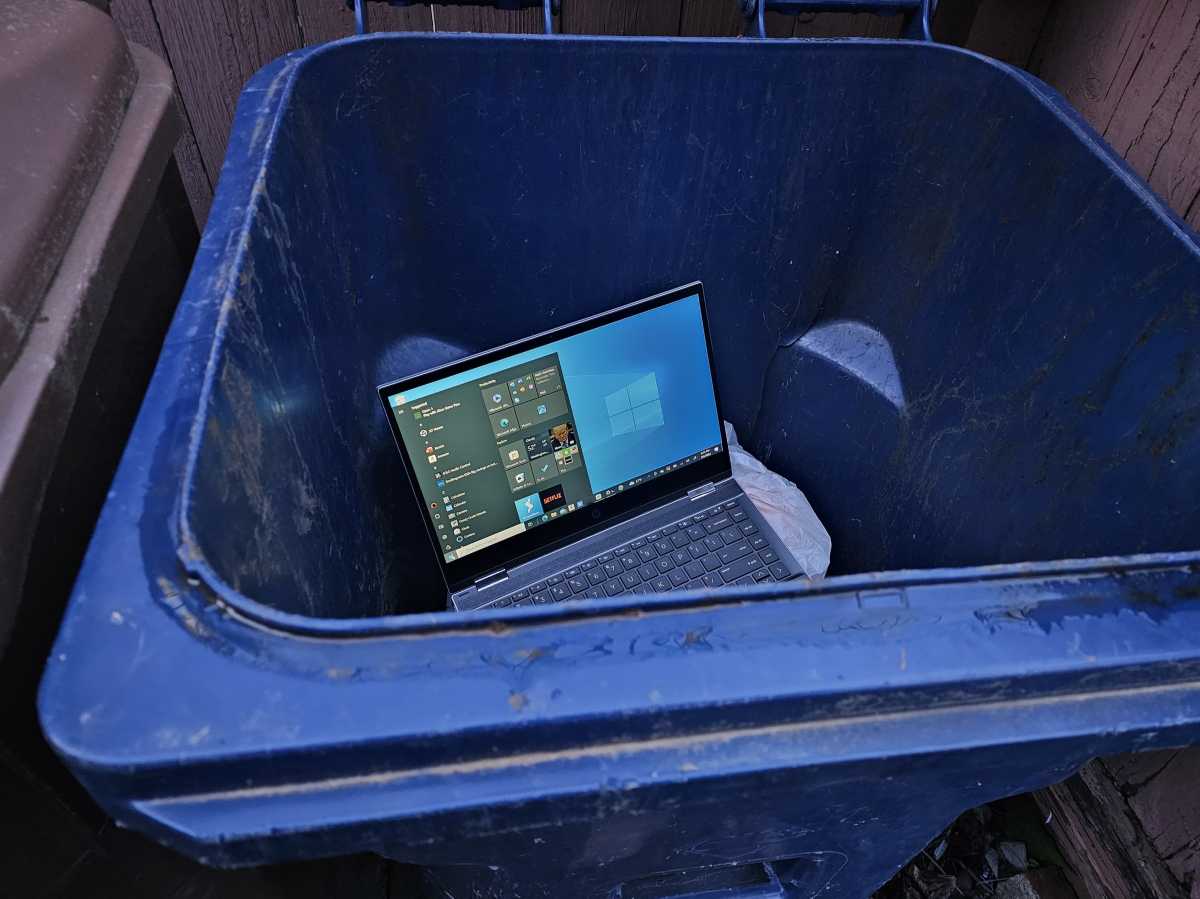
Earlier this year, Microsoft did something surprisingly refreshing: It admitted Windows needed work.
“Microsoft had seriously forgotten about Windows for quite some time, especially in the gaming sense,” Anshel Sag, principal analyst at Moor Insights & Strategy, told me via email. “Lots of features added bloat but didn’t really enhance the experience or improve performance.”
Mark Hachman / IDG
Sag believes Microsoft’s fixation on Copilot+ PCs made matters worse, raising hardware requirements and costs without giving users compelling reasons to upgrade. He calls the initiative a “huge flop” and argues that Microsoft’s misplaced priorities helped push gamers toward SteamOS and other Linux distributions.
After years spent stuffing Copilot buttons and AI features into every available crevice, Microsoft pledged to make Windows 11 faster and leaner. Faster app launches, better File Explorer performance, lower memory usage, improved stability, less Copilot where people didn’t want it. You know, the boring stuff that actually matters when you use a computer every day.
Six months later, my colleague Mark Hachman graded the results, and they’re encouraging but incomplete. The movable Taskbar is back! Search earned an A-. Copilot has been put back in its lane somewhat. Windows feels quieter. The Start menu remains frustrating, and performance on low-memory PCs is improving but still needs a lot of work.
Sag thinks Microsoft is finally heading in the right direction, particularly with its renewed focus on performance and memory usage. But he also sees a real threat from SteamOS and other Linux distributions, especially as Apple continues gaining ground with Macs.
“Microsoft seems to have received the message and is putting significant resources into making Windows better,” Sag said, “but I think they have to keep up the effort and periodically remind gamers that Windows is still the best place for gaming, while also showing how it’s improving.”
Microsoft deserves credit for listening. It also feels like the company is finally fighting for something Windows used to own by default: relevance.
Windows still dominates traditional PCs, and probably will for a long time. But that’s not really what I’m talking about here. The Steam Deck made Linux gaming matter. Proton punched a hole in one of Windows’ strongest moats. Local AI is giving technical users fresh reasons to embrace Linux. Apple just showed what tight control over hardware and software can accomplish at a shockingly low price. Nvidia built a wild new Windows laptop architecture and AI enthusiasts immediately wanted to install something else on it.
None of this means Windows is doomed. But the times seem to be a-changin’. The PC has never been more interesting, and for the first time in my career, Windows isn’t the center of that excitement.


